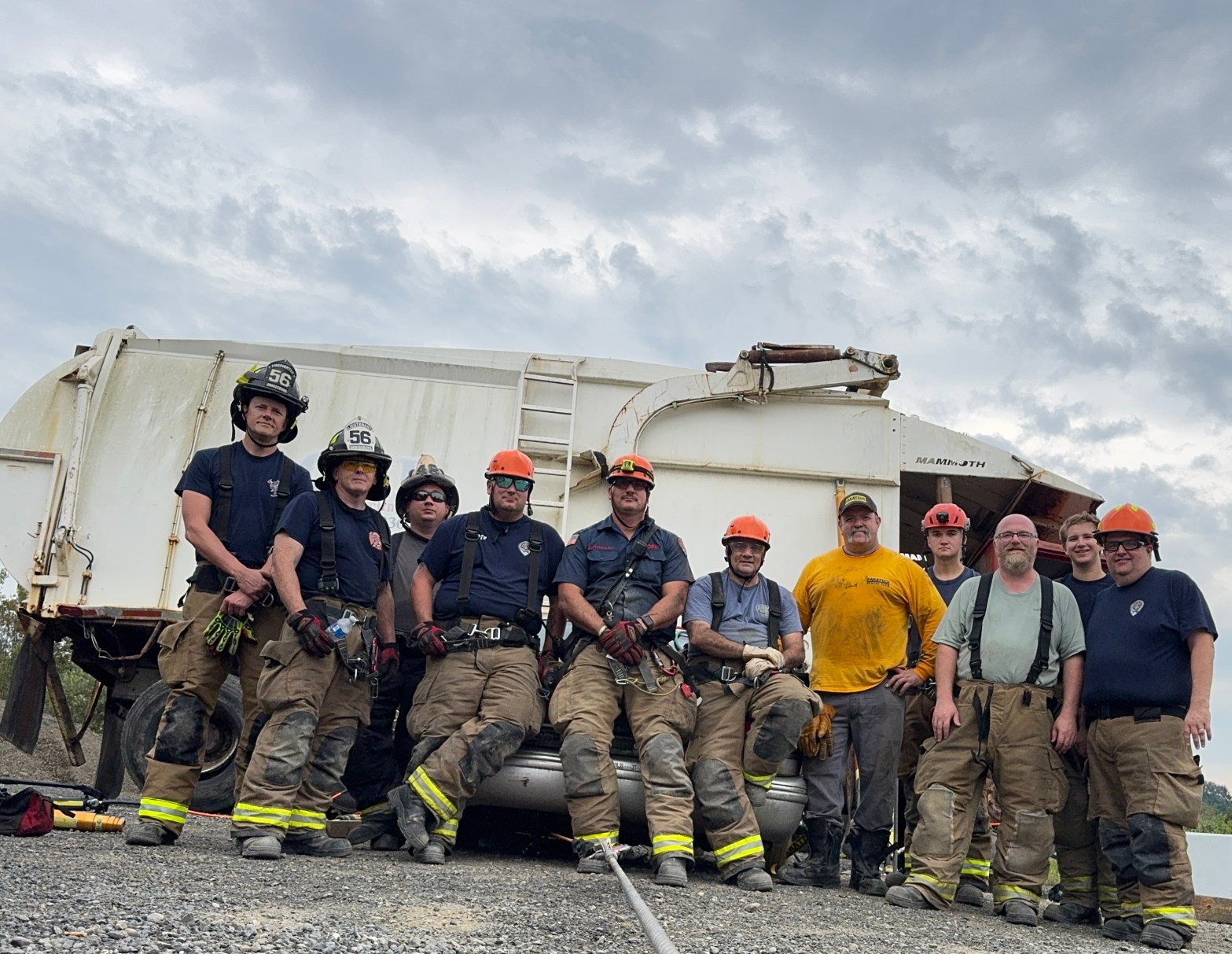
What It Means to Be a Volunteer Firefighter
Volunteer firefighters are indispensable to the safety and welfare of many communities across the United States. In places large and small—rural townships, suburbs, and small cities alike—these individuals provide critical emergency response services, often without pay. Their role is defined by professionalism, courage, and sacrifice, and it is further underscored by statistical trends that reveal both their strength and the challenges the volunteer system faces. When examined at the state level, particularly in Pennsylvania, these trends take on added urgency.
National Scale and Trends
- As of 2020, there were approximately 1,041,200 firefighters in the U.S., both paid (career) and volunteer. Reddit
- Around 65% of those—roughly 676,900 individuals—were volunteer firefighters. Reddit
- Over the past few decades, the number of volunteer firefighters has declined significantly, even as the population and demands on emergency services have increased. Pennsylvania Government+2Reddit+2
Pennsylvania: State-Level Statistics and Trends
Including statistics specific to Pennsylvania helps illustrate how these national issues manifest in a particular state with a strong tradition of volunteer firefighting.
| Metric | Value / Estimate | Notes / Source |
|---|---|---|
| Number of volunteer firefighters today | ~30,000 | Estimates; PA does not require mandatory reporting on volunteer count. AP News+2GovTech+2 |
| Number in the 1970s | ~300,000-360,000 | Reflects a dramatic long-term decline. FireRescue1+3Inquirer.com+3PoliticsPA+3 |
| Number of fire departments / companies in PA | ~2,400 | (“About 2,400 fire departments and their personnel”) PoliticsPA+3Pennsylvania Government+3Cause IQ+3 |
| Percentage of those fire departments that are volunteer or mostly volunteer | ~90-97% | Estimates vary depending on definition of “mostly volunteer.” PoliticsPA+3WITF+3Pennsylvania Government+3 |
| Estimated annual cost savings to communities from volunteers in PA | ~$10 billion | Reflecting what would otherwise have to be paid if the services were fully career/paid. Inquirer.com+2Pennsylvania House Republican Caucus+2 |
What These Statistics Suggest About the Volunteer Firefighter Experience in Pennsylvania
These numbers help paint a clearer image of what it means, in Pennsylvania, to be a volunteer firefighter today:
- Scale of reliance: With over 90% of fire departments in the state being volunteer or mostly volunteer, the state depends heavily on volunteers to provide fire protection and emergency response services. Pennsylvania Government+2WITF+2
- Dramatic decline in numbers: From the 1970s to today, the drop from several hundred thousand volunteers to around 30,000 highlights erosion of capacity. This affects readiness, ability to respond, manpower for training, and resilience in emergencies. AP News+3Inquirer.com+3FireRescue1+3
- Volunteer shortage and aging force: As fewer people volunteer, and many existing volunteers age out, fire companies struggle to maintain active rosters. The decline places added demands on those who remain. AP News+3Pennsylvania Government+3Firehouse+3
- Economic value: The estimated $10 billion in saved costs demonstrates the significant economic impact of volunteer service. Without volunteers, many municipalities would face steep increases in expenditures for fully paid services. Inquirer.com+2Firehouse+2
What These Mean Locally — Implications for Volunteer Firefighting in Schuylkill County
- Sharp decline in volunteers: Going from ~10,000 to under 1,000 volunteers reflects a steep drop in manpower. That means each remaining volunteer carries much more of the load.
- Large number of fire companies, shrinking workforce: With ~105 companies and less than 1,000 volunteers, many companies likely have significantly understaffed rosters. Some companies may struggle to respond to calls or maintain required training.
- Aging volunteer force: Average age over 40 suggests recruitment of younger people is lagging. Aging volunteers may retire or leave, exacerbating shortages.
- Lower active response: In some companies, though membership may still be dozens strong, only a fraction truly respond to emergencies This reduces effective readiness. Eg: OFD has 200 “members” and only 22 actively running alarms. Of the 22 maybe 12-15 interior firefighters.
- Demographic & population shifts: Declining population (from ~235,000 down to ~148,000) means fewer people available for volunteer work, fewer fundraisers, less tax base perhaps, and corresponding challenges in sustaining many rural fire companies.
- Dependence on state aid: Grants totaling over $1.6 million for 101 agencies show that without external funding for equipment, training, and support, many companies would struggle.
Conclusion
To be a volunteer firefighter is to accept responsibility in its most demanding form: protecting one’s community through sacrifice, training, and constant readiness—despite declining numbers, greater demands, and increasing complexity of emergency response.
In Pennsylvania, where nearly every fire department depends on volunteers, the challenges are acute. The steep decline in volunteer firefighters over the past decades, combined with the state’s heavy reliance on volunteer departments, indicates that sustaining this vital form of public service will require systematic support—through recruitment, retention, funding, and perhaps policy changes.
Discover more from Orwigbsurg Fire Department
Subscribe to get the latest posts sent to your email.
